



Intradiscal MSC Injections for Discogenic Chronic Low Back Pain: What the Evidence Can—and Cannot—Tell Us Today
After years of searching for relief, you might feel unsure about intradiscal MSC injections for discogenic chronic low back pain. The truth is, current studies show some promise but also reveal clear limits in what we can confirm. At La Vida Stem Cells, we separate fact from hype, offering you honest, physician-led guidance on where this treatment stands today and why your care quality matters. Keep reading to understand what the evidence supports—and what still needs more study.
The Promise and Limits of Intradiscal MSC Injections
Intradiscal MSC injections offer new hope for those suffering from discogenic chronic low back pain, but understanding their true potential requires a careful look at the evidence. Here, we explore both the promise and the challenges.
Current Evidence for Pain Relief
Current research indicates that intradiscal MSC injections can provide relief for chronic low back pain linked to disc degeneration. Studies have shown improvements in pain levels using established tools like the Visual Analogue Scale (VAS) and Oswestry Disability Index (ODI). However, it's important to remember that these findings are based on limited studies, which means the results might not be consistent for everyone. The measurement tools provide a reliable way to assess progress, but the small number of studies makes it hard to draw definitive conclusions.
Limitations and Patient Selection
While the evidence for pain relief is promising, there are significant limitations to consider. The existing studies often have missing data, which impacts the reliability of conclusions. This is why patient selection is crucial. Not everyone with discogenic chronic low back pain will benefit from this treatment. Physicians must carefully evaluate potential patients to determine if they are suitable candidates. A personalized approach increases the chances of a positive outcome.
Importance of Physician Oversight
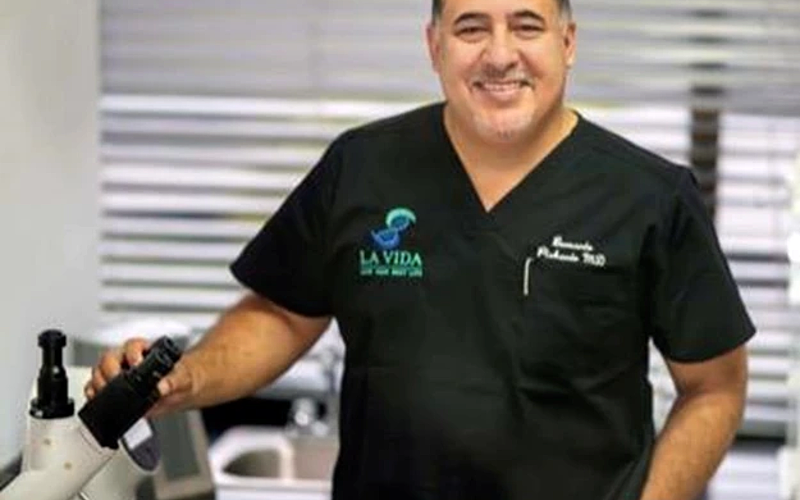
Given the complexities of MSC treatments, physician oversight is essential. A knowledgeable doctor can guide the treatment process, ensuring that the procedure is tailored to your specific needs. They can also monitor progress and adjust the approach as necessary. This oversight not only improves the likelihood of success but also ensures that the treatment is conducted safely. At La Vida Stem Cells, our expert team, led by Dr. Bernardo Pichardo, prioritizes your well-being every step of the way.
Exploring the Science Behind MSCs
Understanding the science behind MSCs is key to appreciating their potential as a treatment option. Here's a closer look at the different types of MSCs and how they work.
Types of MSCs: Sources and Functions
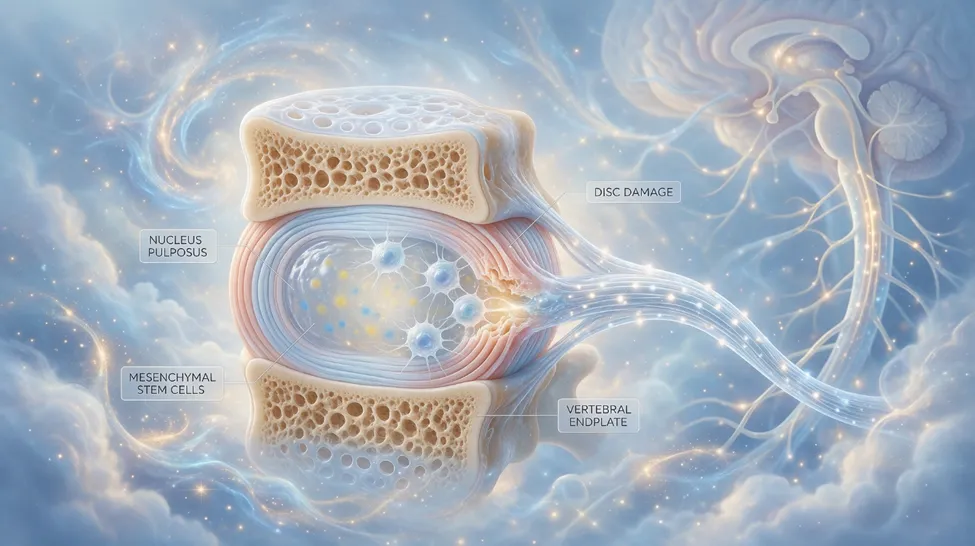
MSCs can be sourced from various tissues, including bone marrow, adipose tissue, and umbilical cords. Each type has unique properties that may influence their effectiveness. Bone marrow-derived MSCs are the most commonly used, but adipose and umbilical sources add variability. This diversity can complicate standardization, making it difficult to predict which source might work best for a specific patient. Each type of MSC plays a role in promoting tissue repair and reducing inflammation, but more research is needed to fully understand their differences.
Mechanisms: Tissue Repair and Nociceptor Inhibition
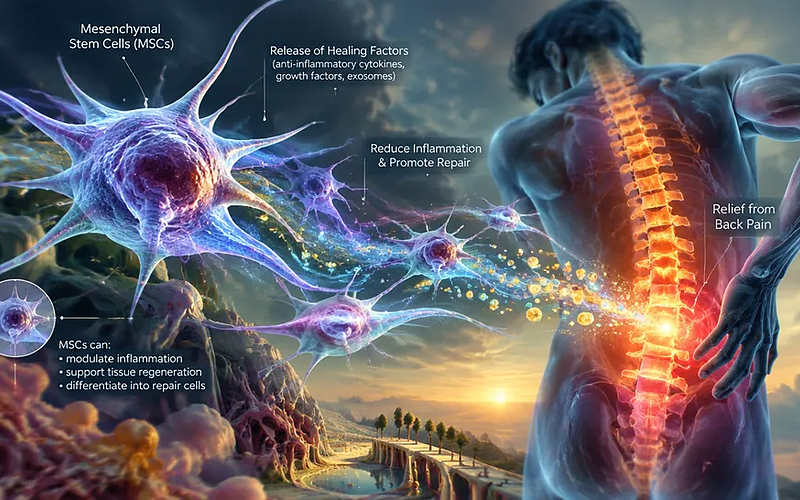
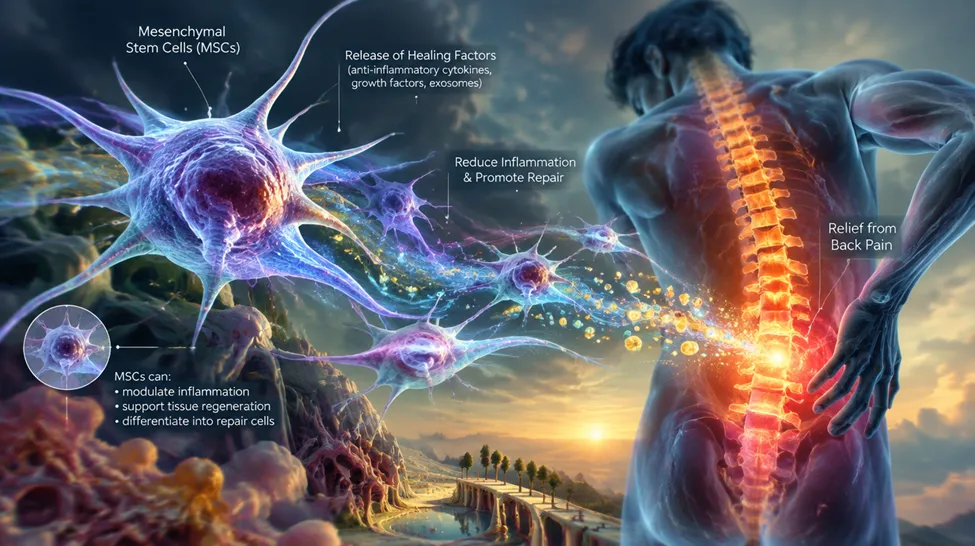
MSCs help in the repair of injured or degenerated tissues in the spine. They achieve this through several mechanisms, including inhibiting nociceptors, which are responsible for pain perception. MSCs also contribute to the reduction of catabolism, the process that breaks down tissue. These biological pathways are promising, but the complexity of these mechanisms means that not all patients will experience the same level of relief. Understanding these processes helps set realistic expectations for outcomes.
MRI Outcomes and Disc Degeneration
MRI outcomes are an important part of assessing the effectiveness of MSC treatments. They provide a visual representation of changes in disc degeneration before and after treatment. While some studies report positive changes, the data is still too limited to make broad claims. Consistent improvements in MRI results could support the efficacy of intradiscal MSC injections, but until more data is available, these findings should be viewed with cautious optimism. Imaging provides crucial insights but must be considered alongside clinical scores.
Making Informed Treatment Decisions
Making an informed decision about MSC treatments involves considering systematic review evidence and the role of regenerative spine care.
Understanding Systematic Review Evidence
Systematic reviews compile data from multiple studies to provide a comprehensive overview of a treatment's effectiveness. For MSC injections, these reviews highlight both the potential benefits and the existing gaps in research. With 303 patients across 14 studies, the evidence shows promise but also underscores the need for further investigation. By understanding the breadth and limitations of this data, you can make more informed choices about your care.
The Role of Regenerative Spine Care
Regenerative spine care offers a holistic approach to treating back pain. It focuses on repairing and regenerating damaged tissues rather than just alleviating symptoms. This approach can be particularly beneficial for those with chronic conditions like discogenic pain. By targeting the root cause, regenerative treatments aim to provide long-term relief. However, it's essential to combine these treatments with traditional care methods to maximize their effectiveness.
Why Patient-First Standards Matter
At La Vida Stem Cells, we prioritize patient-first standards in all our treatments. This means providing honest information, personalized care, and a commitment to safety. By focusing on your individual needs and ensuring that treatments are evidence-based, we aim to offer the best possible outcomes. Your well-being is our top priority, and we strive to empower you with the knowledge needed to make informed decisions about your health.
What are intradiscal MSC injections?
Intradiscal MSC injections involve injecting mesenchymal stem cells directly into the spinal discs. These cells aim to repair damaged tissue, reduce inflammation, and alleviate pain associated with disc degeneration.
How effective are intradiscal MSC injections for low back pain?
Studies show promising results in reducing pain levels and improving function. However, the evidence is still limited, and more research is needed to confirm long-term effectiveness across different patient groups.
Are there risks associated with MSC injections?
As with any medical procedure, there are risks involved. Potential risks include infection, bleeding, or adverse reactions. It's crucial to have the procedure done by a qualified physician to minimize these risks.
What should I consider when choosing a treatment provider?
Look for a provider with a strong track record in regenerative medicine, like La Vida Stem Cells. Dr. Pichardo offers personalized care and uses evidence-based methods.
Why is physician oversight important for MSC treatments?
Physician oversight ensures that the treatment is tailored to your needs, monitored for safety, and adjusted as necessary to achieve the best results. It also provides a layer of reassurance throughout your treatment journey.
‹ Back